How to Choose the Right LED Bulb for Each Room in Your Home
Light December 1, 2025
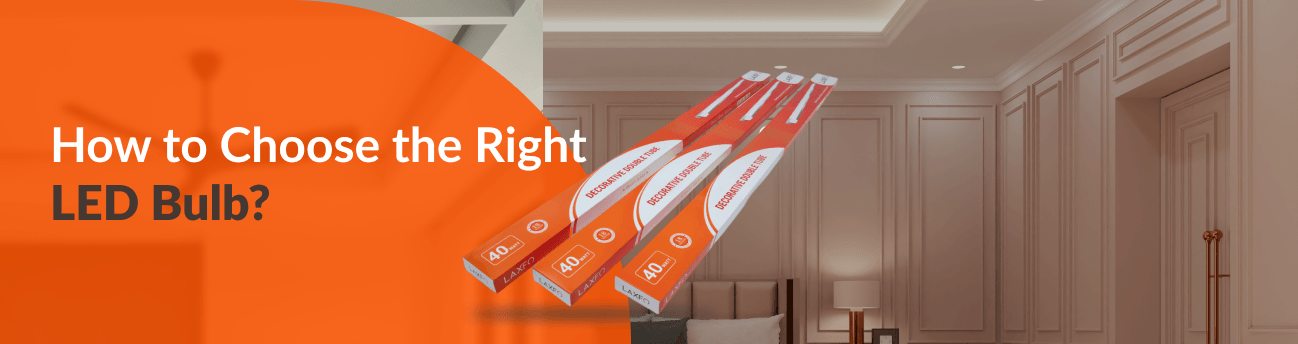
Choosing the right LED bulb for each room might seem simple at first, but once you start comparing brightness levels, color temperatures, and bulb shapes, things can get overwhelming pretty fast. Every space in your home has its own personality and purpose, which means a single type of bulb just cannot deliver the right feel everywhere. Your bedroom needs a calming glow, your kitchen needs bright task lighting, and your living room needs a mix that feels both cozy and functional.
That is exactly what this guide is here to help you figure out. We will break down the essentials in plain, clear language and walk through room-by-room lighting recommendations that make sense in real life. By the time you finish, you will know exactly how to choose LED bulbs that not only save energy but also make every room look and feel better.
Key Terms You Must Know Before Choosing an LED Bulb
Before choosing the right lighting for each room, it helps to understand a few essential terms. These basics will make it easier to compare LED options and select bulbs that truly match the needs of your home.
1. Lumens
Lumens measure how bright an LED bulb is. Higher lumens create a brighter light, while lower lumens create a softer glow. Brightness is now measured in lumens rather than wattage.
2. Wattage Equivalence
Wattage tells you how much energy a bulb uses. LED bulbs need far less power, so a 10 watt LED can easily replace a 60 watt incandescent bulb.
3. Color Temperature (Kelvin)
Color temperature determines the look of the light. Lower Kelvin values produce warm and cozy tones. Higher Kelvin values create cooler, daylight-like tones that are better for tasks.
4. CRI (Color Rendering Index)
CRI shows how accurately colors appear under a light source. A higher CRI means colors look more natural, which is especially helpful in kitchens, bathrooms, and work areas.
5. Beam Angle
Beam angle refers to how wide the light spreads. A narrow beam is perfect for focused lighting, while a wider beam is ideal for general illumination.
6. Dimmability
Not all LED bulbs work with every dimmer. Always check for dimmer compatibility if you want adjustable lighting levels.
How to Determine the Brightness You Need (Lumens Guide)
Choosing the right brightness level is one of the most important steps when selecting an LED Bulb. Since wattage no longer reflects brightness, lumens are the key factor you should look at. The number of lumens you need depends on the size of the room and the type of activities that take place there.
As a general rule, brighter spaces such as kitchens or home offices require higher lumen levels, while bedrooms and living rooms work better with softer, more comfortable lighting. If a room has dark walls or high ceilings, you may need additional lumens to achieve the same visual effect.
Below is a simple guideline to help you choose the right brightness:
- Bedrooms: 1,000 to 2,000 lumens
- Living Rooms: 1,500 to 3,000 lumens
- Kitchens: 2,000 to 4,000 lumens
- Bathrooms: 1,500 to 3,000 lumens
- Home Offices: 3,000 to 6,000 lumens
- Hallways: 600 to 1,200 lumens
These ranges are flexible, but they serve as a solid starting point. Adjust based on personal preference, room design, and how much natural light the space receives.
Choosing the Right Color Temperature for the Mood
Color temperature plays a major role in setting the mood and functionality of any room. Measured in Kelvins, this value tells you whether the light from an LED Bulb will appear warm, neutral, or cool. Choosing the right color temperature ensures that each space feels comfortable and supports the activities that happen there.
Warm Light (2700K to 3000K)
Warm light creates a cozy and relaxing environment. It is ideal for bedrooms, living rooms, and dining areas where comfort and calmness matter. This type of lighting makes spaces feel inviting and helps the eyes relax after a long day.
Neutral or Cool White (3500K to 4100K)
Neutral white gives off a bright and balanced tone. It works well in kitchens, hallways, and bathrooms because it improves clarity without feeling too intense. Many homeowners prefer this range for general household lighting.
Daylight or Cool Light (5000K to 6500K)
Daylight bulbs provide a crisp and energizing light. They are recommended for task-heavy areas such as home offices, workshops, and garages. This color temperature helps improve focus and makes it easier to see fine details.
Selecting the right color temperature can dramatically improve how each room looks and functions. Warm tones support comfort, neutral tones increase visibility, and daylight tones enhance productivity.
Learn More: If you are more concerned about your eye comfort, you can check out our dedicated discussion on “Is LED lights good for eyes?”
Pick the Correct Bulb Shape and Base Type
Once you understand brightness and color temperature, the next step is to choose the right shape and base type for your LED Bulb. These details determine how the bulb fits into the fixture and how the light is distributed in the room. Selecting the right combination ensures both proper function and a balanced lighting effect.
Common Bulb Shapes
Each bulb shape serves a different purpose. Here are the most frequently used options in modern homes-
- A19: The classic bulb shape used in most table lamps and ceiling fixtures.
- BR30: Ideal for recessed lighting, often found in living rooms, hallways, and kitchens.
- PAR38: Best for outdoor floodlights and security lighting due to its stronger, more focused beam.
- G25 or Globe Bulbs: Perfect for bathroom vanities and decorative fixtures.
- Candelabra Bulbs: Used in chandeliers, decorative sconces, and certain pendant lights.
Common Base Types
The base type ensures the bulb fits the socket correctly. Depending on the country you’re living in, the base type will vary. In Bangladesh the most common bases include-
- E26: The standard medium base used in most household fixtures.
- E12: A smaller base often found in chandeliers and decorative lights.
- GU10: Common in track lighting and spotlight fixtures.
- GU24: A twist-and-lock base used in some modern or energy-efficient fixtures.
Before buying any LED bulb, always check the fixture’s recommended shape and base. This simple step prevents compatibility issues and ensures the light functions exactly as intended.
Consider Energy Efficiency and Lifespan
Energy efficiency and lifespan are two of the biggest advantages of choosing an LED Bulb, and understanding these factors will help you make smarter long-term decisions. LEDs are designed to use far less electricity than traditional bulbs, which means lower energy bills without sacrificing brightness or quality.
Energy Efficiency
LED bulbs convert most of their energy into light rather than heat, making them significantly more efficient than incandescent or halogen options. When shopping, look for bulbs with the ENERGY STAR label, which indicates that the product meets strict efficiency and performance standards. This simple feature can help you save even more money over time.
Lifespan
A good LED bulb can last anywhere from 10,000 to 25,000 hours. This means fewer replacements and less hassle for you. High-quality LEDs also maintain consistent brightness throughout their life, avoiding the gradual dimming that is common in older bulb types.
Investing in efficient and long-lasting LED lighting not only reduces energy consumption but also improves reliability throughout your home.
Smart LED Bulbs: Should You Choose Them?
Smart LED bulbs are becoming a popular choice for homeowners who want more control and flexibility in their lighting setup. These bulbs offer advanced features that can enhance comfort, convenience, and energy efficiency throughout your home.
Benefits of Smart LED Bulbs
- Remote control through mobile apps or voice assistants
- Adjustable brightness levels
- Ability to change color temperature or color tones (depending on the model)
- Lighting schedules that turn lights on or off automatically
- Energy-saving automation that reduces unnecessary usage
- Easy integration with smart home systems
Where Smart Bulbs Work Best
- Living rooms where multiple lighting scenes can improve comfort
- Bedrooms for gentle wake-up lighting and relaxing evening settings
- Entryways for automated on-and-off schedules
- Home offices where brightness adjustments help increase productivity
- Outdoor areas for security lighting that you can control remotely
Things to Keep in Mind
- Smart bulbs often cost more than standard LED bulbs
- Some models may require a hub or bridge for full functionality
- A stable Wi-Fi connection is important for consistent performance
- Not all smart bulbs are compatible with older dimmer switches
- Setup and app management may require a short learning period
Choosing LED Bulb for Living Room
The living room is often the heart of the home, so choosing the right LED Bulb for this space is essential. This room usually serves multiple purposes, from relaxing with family to hosting guests, which means your lighting should be both comfortable and adaptable.
Recommended Brightness
Aim for a total of 1,500 to 3,000 lumens, depending on the size of the room and the amount of natural light it receives. Use a combination of table lamps, floor lamps, and ceiling fixtures to create balanced, layered lighting.
Best Color Temperature
Warm white lighting in the 2700K to 3000K range works best in living rooms. It creates a cozy and welcoming atmosphere that encourages relaxation.
Ideal Bulb Types
- A19 bulbs for general lamps and ceiling fixtures
- BR30 bulbs for recessed lighting
- Smart bulbs if you want multiple lighting scenes for movie nights, reading, or gatherings
Choosing LED Bulb for Kitchen
The kitchen is one of the most task-intensive areas of the home, which makes proper lighting essential. The right LED Bulb setup ensures you can cook safely, prep food comfortably, and create a well-lit, inviting environment for gatherings.
Recommended Brightness
Kitchens typically require 2,000 to 4,000 lumens in total. This level of brightness supports visibility for cooking, cleaning, and meal preparation. Larger kitchens or spaces with fewer windows may need even higher lumen levels.
Best Color Temperature
A neutral or cool white range of 3500K to 4100K works well here. This color temperature enhances clarity and makes countertops, food items, and appliances easier to see.
Ideal Bulb Types
- BR30 bulbs for recessed ceiling lights
- PAR bulbs for more focused task lighting
- LED strip lights under cabinets for improved visibility on countertops
- A19 bulbs for general overhead fixtures
- Smart bulbs if you want adjustable brightness or different lighting settings
Choosing LED Bulb for Bedroom
The bedroom should feel peaceful and comfortable, which means the lighting needs to support rest and relaxation. Choosing the right LED Bulb can make a big difference in how soothing and functional the room feels, especially if you use the space for reading.
Recommended Brightness
Aim for a total of 1,000 to 2,000 lumens. This range creates a gentle and balanced light level that avoids harsh glare. Use bedside lamps, floor lamps, and ceiling fixtures to create layered lighting that you can adjust based on your mood.
Best Color Temperature
Warm white lighting in the 2700K to 3000K range is ideal. This temperature promotes relaxation, reduces eye strain, and creates a calm evening atmosphere.
Ideal Bulb Types
- A19 bulbs for ceiling fixtures and bedside lamps
- Candelabra bulbs for decorative lighting or chandeliers
- Smart bulbs for gentle dimming or wake-up routines
- LED filament bulbs if you want a stylish, soft-glow aesthetic
Choosing LED Bulb for Bathroom
Bathrooms require bright, accurate, and balanced lighting because they are used for detailed tasks such as grooming, shaving, and applying makeup. The right LED Bulb can significantly improve clarity while still keeping the environment comfortable and flattering.
Recommended Brightness
Bathroom lighting typically needs 1,500 to 3,000 lumens, depending on the size of the space. Vanity areas may require additional brightness to eliminate shadows and ensure clear visibility.
Best Color Temperature
A neutral white range of 3500K to 4100K works best in most bathrooms. This temperature provides a natural, clean look that helps you see true colors. For makeup application, bulbs with slightly cooler tones can be helpful.
Ideal Bulb Types
- G25 globe bulbs for vanity fixtures
- A19 bulbs for ceiling lighting
- LED vanity bars for even distribution
- High CRI bulbs to improve color accuracy
- Moisture-resistant bulbs for increased durability in humid conditions
Choosing LED Light for Dining Room
The dining room is a space for gathering, sharing meals, and creating memorable moments, so the lighting should feel warm, flattering, and visually appealing. Choosing the right LED Bulb helps set the mood while still providing enough clarity for dining and conversation.
Recommended Brightness
Aim for 1,500 to 3,000 lumens in total, depending on the size of the dining area. Most of this light typically comes from a central fixture such as a chandelier or pendant.
Best Color Temperature
Warm white lighting in the 2700K to 3000K range works best. This tone creates a relaxed and inviting atmosphere that enhances the overall dining experience.
Ideal Bulb Types
- Candelabra bulbs for chandeliers and decorative fixtures
- G25 globe bulbs for pendants and modern dining lights
- A19 bulbs for more traditional ceiling fixtures
- Dimmable LED bulbs for setting the right ambiance during meals
Final Thoughts
Choosing the right LED Bulb for each room may seem like a small decision, but it has a major impact on comfort, functionality, and energy efficiency throughout your home. Whether you are upgrading a few fixtures or planning a complete lighting refresh, focusing on the right LED choices will improve visibility, mood, and long-term energy savings.
Frequently Asked Questions
1. How many lumens do I need for different rooms?
The ideal lumen level depends on the size and purpose of the room. Bedrooms typically need 1,000 to 2,000 lumens, living rooms need 1,500 to 3,000 lumens, kitchens require 2,000 to 4,000 lumens, and home offices need 3,000 to 6,000 lumens. Use a combination of fixtures to achieve even lighting.
2. What color temperature is best for bedrooms?
Warm white lighting in the 2700K to 3000K range works best for bedrooms. This tone creates a calming atmosphere that promotes relaxation and comfort before sleep.
3. Are LED bulbs safe for all fixtures?
Most LED bulbs work in standard household fixtures, but always check compatibility. Some enclosed fixtures, dimmer switches, or specialty sockets may require specific LED models designed for those conditions.
4. Do LED bulbs save money?
Yes. LED bulbs use far less energy than incandescent or halogen bulbs and last much longer. Their efficiency can significantly reduce your electricity bill and minimize frequent bulb replacements.
5. Should I use warm or cool LED lighting in my home?
Warm lighting works well in cozy spaces such as bedrooms, living rooms, and dining rooms. Cool or daylight lighting is better for task-focused areas like kitchens, bathrooms, and home offices. Choosing the right color temperature helps create the appropriate mood and functionality for each room.
Related Blogs