How to Choose the Best Spot Light for Your Needs
Light February 3, 2026
Picture this: you've just moved into a new home, and you're standing in your backyard at night. The space feels dark and uninviting, and you know something is missing. Or maybe you're trying to highlight that beautiful tree in your garden, but you can't quite figure out how to make it stand out. This is where the right spot light makes all the difference.
Choosing the perfect spot light isn't just about picking the brightest bulb you can find. It's about understanding your specific needs, knowing what features matter, and finding the best value for your money. Whether you're looking for an LED spot light for energy efficiency or trying to figure out reasonable spot light prices in Bangladesh, this guide will walk you through everything you need to know.
By the end of this article, you'll know exactly what to look for and how to make a smart purchase that you won't regret. Let's dive in.
Understanding Spot Lights: What Makes Them Different?
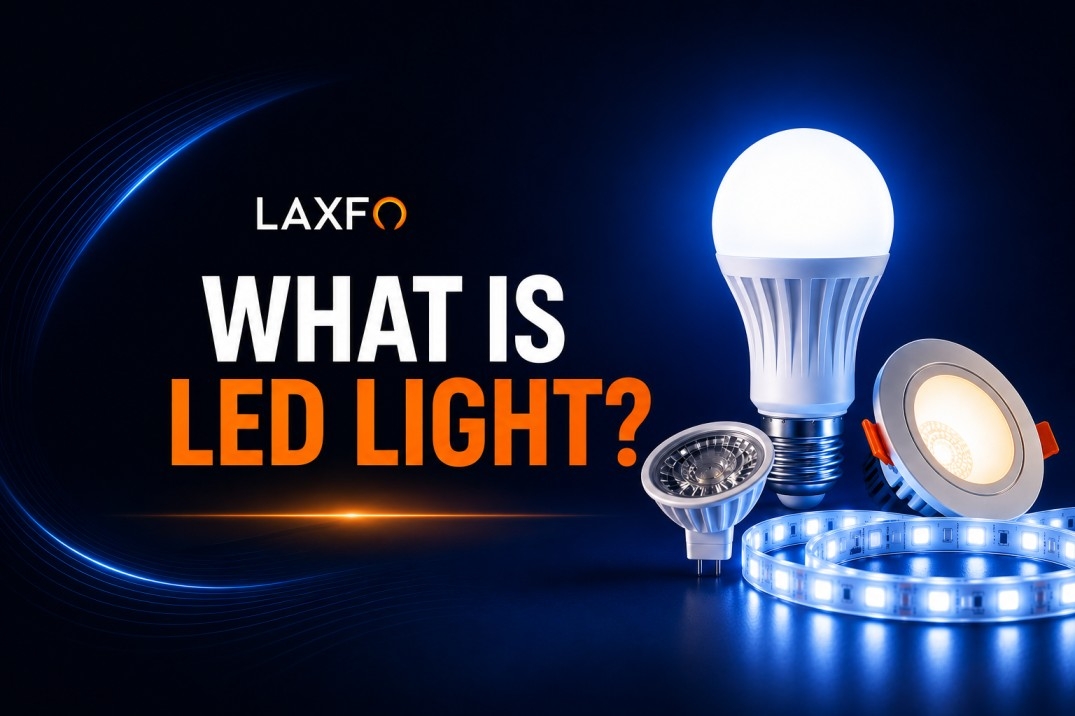
Before we get into the technical details, let's start with the basics. A spot light is a type of lighting fixture that creates a focused beam of light, illuminating a specific area or object. Unlike regular LED lights that spread light in all directions, spot lights are designed to direct light where you want it most.
Think of spot lights as the highlighters of the lighting world. They're perfect for drawing attention to architectural features, creating security lighting around your property, illuminating pathways, or adding dramatic effects to your garden. You'll find them used everywhere from homes and gardens to commercial spaces, galleries, and even theatrical productions.
What makes spot lights increasingly popular is their versatility and efficiency. Modern spot lights, especially LED versions, have become more affordable and practical for everyday use. They're no longer just for professionals or large commercial spaces. Anyone can use them to transform their living spaces.
LED Spot Light: Why It's the Smart Choice
If you're shopping for spot lights today, you've probably noticed that LED options dominate the market. There's a good reason for that. LED spot lights have revolutionized how we think about lighting, and they offer benefits that traditional halogen or incandescent spot lights simply can't match.
Energy Efficient
First, let's talk about energy efficiency. An LED spot light uses up to 80% less energy than traditional bulbs. That means lower electricity bills every month. If you're using multiple spot lights around your property, the savings add up quickly. Over the lifetime of the bulb, you could save hundreds of dollars in energy costs alone.
Longevity
While a traditional halogen spot light might last around 2,000 hours, a quality LED spot light can last 25,000 to 50,000 hours. That's years of use without needing a replacement. You won't be climbing ladders constantly to change bulbs, which is both safer and more convenient.
Secure
LED spot lights also produce much less heat compared to older technologies. This makes them safer to use, especially in enclosed spaces or around children and pets. Plus, you get instant full brightness when you turn them on. No more waiting for the light to warm up.
Diverse Color Temperature
Another advantage is the variety of color temperatures available. You can choose warm white for a cozy atmosphere or cool white for a clean, modern look. Some LED spot lights even offer adjustable color temperatures, giving you flexibility to change the mood of your space.
Environment Friendly
From an environmental perspective, LED spot lights are the responsible choice. They contain no toxic materials like mercury, and they're fully recyclable. When you choose LED, you're making a decision that's good for your wallet and the planet.
Read More: 10 Benefits of Smart Switches for Homes in Bangladesh
Key Features to Consider Before Buying
Now that you understand why LED is the way to go, let's look at the specific features you should evaluate when shopping for the best spot light for your needs.
Brightness and Wattage
Brightness is measured in lumens, not watts. This is important to understand because many people still think higher wattage means brighter light. With LEDs, you can get the same brightness with much lower wattage. For outdoor security lighting, look for spot lights with at least 700 to 1000 lumens. For accent lighting in your garden, 300 to 500 lumens might be sufficient.
Beam Angle
The beam angle determines how focused or spread out the light will be. A narrow beam angle (around 25 degrees) creates a concentrated spotlight effect, perfect for highlighting specific objects. A wider beam angle (60 degrees or more) covers a larger area, which is better for general outdoor lighting or illuminating pathways.
Color Temperature
Measured in Kelvin (K), color temperature affects the mood and feel of your lighting. Warm white (2700K to 3000K) creates a cozy, inviting atmosphere and works well for residential outdoor spaces. Cool white (5000K to 6500K) provides bright, crisp light that's ideal for security purposes or commercial settings. Neutral white (3500K to 4500K) is a versatile middle ground.
Durability and Weather Resistance
If you're installing spot lights outdoors, pay attention to the IP (Ingress Protection) rating. This tells you how well the light is protected against dust and water. For outdoor use, look for a minimum rating of IP65, which means the light is fully dust-tight and can withstand water jets from any direction. For areas with heavy rain, IP66 or IP67 offers even better protection.
Adjustability
Consider whether you need adjustable spot lights that you can reposition, or fixed lights that stay in one place. Adjustable spot lights give you more flexibility to change the lighting direction as your needs evolve. They're particularly useful for accent lighting where you might want to highlight different features at different times of the year.
Power Source
Most spot lights are hardwired into your electrical system, which provides consistent power. However, solar-powered spot lights have become increasingly popular for outdoor use. They're easy to install, require no wiring, and cost nothing to operate. The tradeoff is that they may not be as bright as wired options and depend on sunny weather to charge properly.
Where Will You Use Your Spot Light?
The location where you plan to use your spot light will heavily influence which type you should buy. Let's explore some common applications.
Outdoor Spaces
For outdoor security and safety, you want bright, wide-beam spot lights with motion sensors. These deter intruders and help you navigate safely around your property at night. Install them near entry points, driveways, and dark corners of your yard.
Garden
Garden and landscape lighting calls for a different approach. Here, you're creating ambiance and highlighting beautiful features. Use narrower beams to spotlight trees, statues, or architectural elements. Warmer color temperatures work better in these settings to create a welcoming atmosphere.
Indoor
Indoor accent lighting with spot lights can transform your living spaces. Use them to highlight artwork, architectural details, or create dramatic ceiling effects. Track-mounted spot lights are particularly popular for this purpose because you can adjust them easily.
Commercial and Retail Spaces
For commercial and retail spaces, spot lights serve both functional and marketing purposes. They ensure adequate illumination while drawing customer attention to specific products or displays. Retail stores often use adjustable spot lights on tracks to change their lighting layout seasonally.
Finding the Best Spot Light for Your Budget
Armed with all this information, how do you actually find the best spot light that meets your needs and fits your budget? Here are some practical tips.
Consider your need
Start by making a list of your must-have features versus nice-to-have features. If you're installing spot lights for security, brightness and weather resistance are non-negotiable. If you're doing accent lighting, adjustability and color temperature options might be more important than maximum lumens.
Check out customer feedback
Read customer reviews carefully, but look beyond just the star ratings. Pay attention to comments about durability, actual brightness compared to specifications, and how well the lights hold up over time. Reviews mentioning real-world usage for several months are more valuable than first-impression reviews.
Compare popular options
Compare specifications across different brands at similar price points. Sometimes you'll find that a lesser-known brand offers the same features as a premium brand at a much lower price. However, also consider the warranty and customer service reputation, as these can be crucial if you encounter problems.
Buy from an authentic source
When shopping online or in physical stores, don't hesitate to ask questions. Reputable sellers should be able to explain technical specifications and help you determine if a particular spot light suits your intended application. If they can't answer basic questions about their products, that's a red flag.
Check out warranty policy
Look for warranties of at least two years for LED spot lights. Quality manufacturers stand behind their products. A good warranty indicates confidence in the product's durability and gives you peace of mind with your purchase.
Test before purchasing
Finally, consider buying one spotlight first to test before purchasing multiple units. This lets you evaluate the actual brightness, color temperature, and build quality in your specific setting. If it works well, you can confidently buy more of the same model.
Conclusion
Choosing the best spot light for your needs doesn't have to be overwhelming. Start by identifying where you'll use the lights and what you want to accomplish. Prioritize LED technology for efficiency and longevity. Consider the key features that matter most for your application, whether that's brightness, adjustability, or weather resistance.
With the right spot light, you can enhance your home's security, highlight your favorite features, and create the perfect atmosphere for any space.
Related Blogs