What Is LED Light? How It Works, Types, Benefits & Applications
Light July 16, 2026
You flip a light switch and it just works. Instant, bright, and almost silent. No warm-up time, no flickering, and no faint buzz from behind the fixture. But if you've ever paused mid-reach and thought, "Wait, what is LED light, exactly, and why is everyone switching to it?" then this guide is for you.
Whether you're looking to upgrade your home lighting, cut down on your monthly electricity bill, or simply want to understand what's actually behind that glowing bulb above your head, you'll find clear answers here. We'll cover what LED lights are, how they work, the different types available, their key benefits, and where they show up in everyday life. Let's dive in.
What Is LED Light?
Quick Answer: An LED light, short for Light Emitting Diode, is a semiconductor device that produces visible light when an electrical current passes through it. LEDs use up to 90% less energy than traditional incandescent bulbs and can last up to 25 times longer, making them the world's most energy-efficient lighting technology.
LED stands for three simple words: Light, Emitting, and Diode. Here's what each part means in everyday language:
-
Light is the visible energy the device produces when powered on.
-
Emitting means the device actively generates its own light, rather than reflecting or filtering it from somewhere else.
-
Diode is a tiny electronic component made from a special material called a semiconductor. It allows electrical current to flow in only one direction.
Put those three words together and you get a compact, efficient device that converts electricity directly into light, with no heated filament, no burning gas, and very little energy wasted as heat.
LEDs were first developed back in the 1960s, but they started out as tiny indicator lights hidden inside electronics. It wasn't until manufacturing improved and production costs dropped significantly after 2000 that they became the dominant lighting choice for homes, offices, streets, vehicles, and more.
How Does an LED Light Actually Work?
Here's where things get a little technical, but don't worry. We'll keep it simple and easy to follow.
An LED produces light through a process called electroluminescence. It sounds like a mouthful, but the idea behind it is actually quite elegant.
Inside every LED, there is a semiconductor chip built from two distinct layers. One is called the P-type layer (the positive side), and the other is the N-type layer (the negative side). Where these two layers meet is called the P-N junction.
When you flip the switch and electricity flows through the chip, electrons from the negative layer move across to the positive layer. As they make that crossing, they drop to a lower energy level and release the extra energy they were carrying. That released energy becomes photons, which are tiny particles of light.
Here is a simple way to picture it: imagine a marble sitting at the top of a ramp. The moment it rolls to the bottom, it releases all the energy it had from being up high. Electrons inside an LED do something very similar, except their released energy shows up as light instead of motion.
The color of light produced depends on the type of semiconductor material used in the chip. For white light, most LED bulbs use a blue LED chip coated with a layer of yellow phosphor. The combination of the blue light and the glowing phosphor creates the warm or cool white light you see in your room.
Types of LED Lights: Which One Is Right for You?
Not all LED lights are the same. They come in different shapes, sizes, and designs built for different jobs. Here's a quick look at the most common types you'll come across.
1. LED Bulbs (A-Type)
These are the most familiar type. They look just like the old incandescent bulbs you grew up with, and they screw directly into the same sockets. They're the go-to choice for bedrooms, living rooms, hallways, and any standard light fixture in the home.
2. LED Batten Tubes
Batten tubes are long, slim fixtures designed to replace old fluorescent tube lights. They spread light evenly across a wide area, making them ideal for kitchens, garages, workshops, and larger rooms that need consistent coverage. LAXFO's 40W Batten Tube is a solid example of this type, delivering bright, long-lasting light that works well for both home and commercial spaces.
3. LED Panel Lights
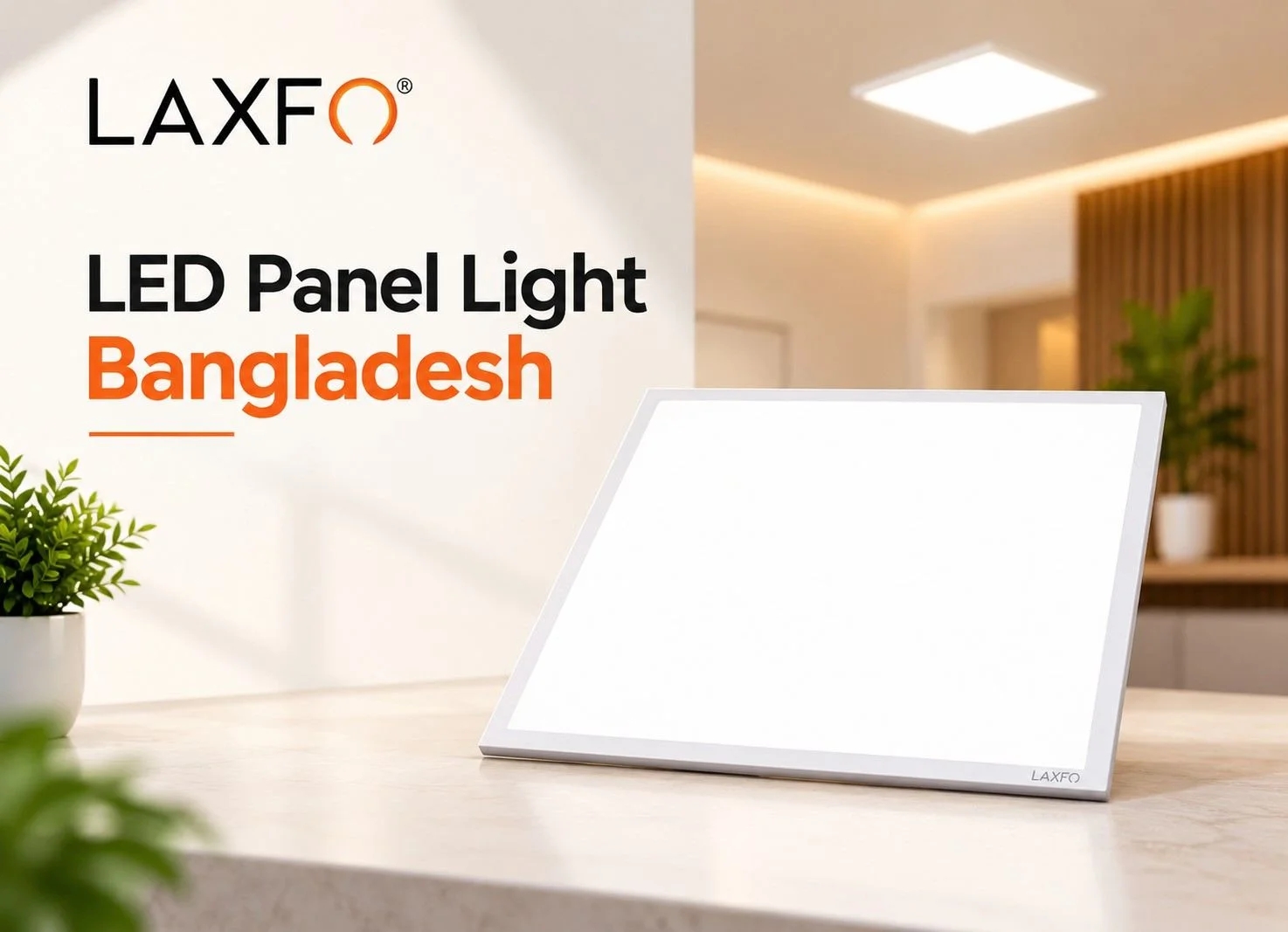
These are flat, square or rectangular fixtures that sit flush with the ceiling and produce soft, even light without any harsh glare. If you've walked into a modern office or a well-lit retail store and noticed how clean and bright the ceiling looks, panel lights were almost certainly behind it. LAXFO's 40W LED Surface Panel Light is a great fit for offices, classrooms, hospitals, and living rooms where you want consistent, comfortable illumination.
4. LED Spotlights and Downlights
Spotlights focus light onto a specific area rather than spreading it out across a room. They're commonly used in retail stores, restaurants, galleries, and anywhere you want to draw attention to a particular object or section. They're also a popular choice for accent lighting in modern home interiors.
5. Emergency AC/DC LED Lights
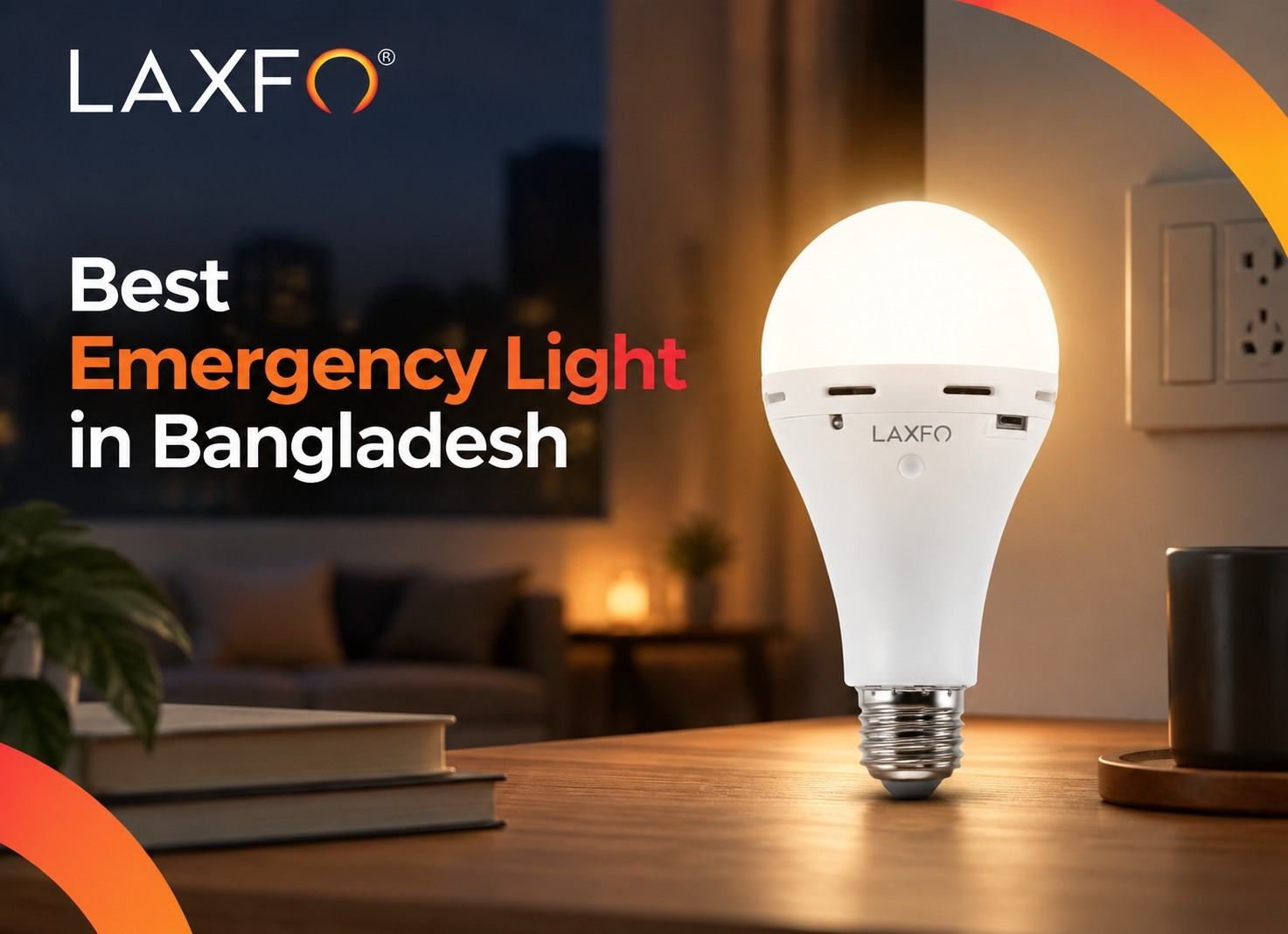
This is a category of LED light that is particularly practical for homes and businesses that experience frequent power outages. Emergency LED lights include a built-in rechargeable battery. When the main power cuts out, they automatically switch to battery mode so your space stays lit. LAXFO's Emergency AC/DC LED Light is designed with this exact situation in mind, offering a reliable backup that keeps working when the power doesn't.
6. Smart LED Lights
Smart LEDs connect to your smartphone, voice assistant (like Alexa or Google Home), or home automation system via Wi-Fi or Bluetooth. You can adjust brightness, shift color temperature, or set automated schedules directly from your phone.
Why Are LED Lights So Popular? The Key Benefits
LED lights are not just a passing trend. They are genuinely better in almost every way that matters to you. Here's a breakdown of the most important benefits:
Massive Energy Savings
LEDs use 75% to 90% less electricity than traditional incandescent bulbs while producing the exact same amount of light. For any household watching its electricity costs, that is a real and immediate difference on your monthly bill.
Extremely Long Lifespan
A quality LED bulb lasts between 25,000 and 50,000 hours. Compare that to a standard incandescent bulb, which burns out after around 1,000 hours. One LED bulb can effectively replace 25 to 50 incandescent bulbs over its lifetime.
Very Low Heat Output
Incandescent bulbs waste about 90% of their energy as heat. LEDs stay cool because they convert electricity directly into light, not warmth. This keeps your space more comfortable and reduces the extra load on fans or air conditioners.
Environmentally Friendly
LEDs contain no toxic materials like mercury, which is found in CFL bulbs. They're safer to handle, safer to dispose of, and better for the environment. The International Energy Agency (IEA) estimates that global LED adoption could reduce CO₂ emissions by 180 million metric tons annually.
Instant On
No warm-up period. The moment you flip the switch, an LED light reaches full brightness immediately. This matters a lot for staircases, bathrooms, dark hallways, and security lighting.
Versatile for Any Space
LEDs are available in a wide range of brightness levels, color temperatures (from warm yellow at 2,700K to crisp daylight white at 6,500K), shapes, and sizes. Whatever the room or purpose, there's an LED designed for it.
Where Are LED Lights Used? Real-World Applications
LED lighting has found its way into virtually every corner of modern life. Here are some of the most common places you'll come across it:
-
Home Lighting: Bedrooms, kitchens, living rooms, bathrooms, and stairways
-
Offices and Classrooms: Even, glare-free light that reduces eye strain and keeps people focused
-
Automotive: Car headlights, tail lights, brake lights, and interior dashboard illumination
-
Traffic Signals and Street Lights: More than half of all street lights globally have already transitioned to LED
-
Consumer Electronics: The backlight in your smartphone screen, laptop, and TV monitor
-
Medical Devices: Surgical lighting, UV sterilization equipment, and light therapy tools
-
Agriculture: Indoor farming and greenhouse grow lights that support plant growth without producing damaging heat
-
Outdoor and Architectural Lighting: Building facades, flood lights, pathway lights, and decorative landscape lighting
For a closer look at how to pick the right LED light for each specific area in your home or office, our guide on how to choose the best quality LED light walks you through the full decision process step by step.
LED vs. Incandescent vs. CFL: A Simple Comparison
Still weighing your options? This table lays it all out in one place.
Feature | LED | Incandescent | CFL |
Average Lifespan | 25,000 to 50,000 hours | 1,000 hours | 8,000 to 10,000 hours |
Electricity Usage | 75% to 90% less than incandescent | High | 50% to 60% less than incandescent |
Heat Output | Very low | Very high | Medium |
Contains Mercury | No | No | Yes |
Upfront Cost | Higher | Lowest | Medium |
Long-Term Cost | Lowest | Highest | Medium |
Instant Full Brightness | Yes | Yes | No (warm-up needed) |
Dimmable | Yes (most types) | Yes | Rarely |
The numbers tell the story clearly. LEDs cost a bit more at the time of purchase, but they save far more over their lifetime through lower electricity bills and dramatically fewer replacements. For a detailed real-world breakdown of exactly how much you can save by switching, our LED light vs. traditional bulb comparison has the numbers laid out with practical examples.
Frequently Asked Questions
What does LED stand for?
LED stands for Light Emitting Diode. It is a semiconductor device that produces visible light when electricity passes through it, through a process called electroluminescence.
How long do LED lights last?
A standard LED light lasts between 25,000 and 50,000 hours. If you run it for 8 hours a day, that works out to roughly 8 to 17 years before it needs to be replaced.
Are LED lights safe for eyes?
Standard LED lights are safe for everyday use. If you find blue-tinted light uncomfortable at night, choosing warm white LEDs with a color temperature between 2,700K and 3,000K for your bedroom or living room can help reduce eye strain and support better sleep.
Can I put an LED bulb in an old light fixture?
Yes. Most LED bulbs are designed as direct drop-in replacements for incandescent bulbs. They fit the same standard screw base sockets. Just check the base type before buying, as E26 and E27 are the most common options.
Do LED lights actually save money?
They absolutely do. Replacing a single 60W incandescent bulb with a 9W LED gives you the same brightness while using 85% less electricity. Multiply that across all the lights in your home and run them for several hours a day, and the savings on your electricity bill add up quickly throughout the year.
Ready to Make the Switch?
LED lights are one of the simplest, most cost-effective upgrades you can make for your home or office. They use a fraction of the energy, last for years without replacement, and produce better quality light than the bulbs they replaced.
Now that you understand what LED light is and how it works, the next step is finding the right one for your specific needs. Browse LAXFO's selection of top LED light bulbs for your home to find the right fit for every room. And if you have any questions or need a recommendation, our team is always glad to help you choose.
Related Blogs